Remote project estimating · Austin, TX
Quantity Takeoff Services in Austin, TX
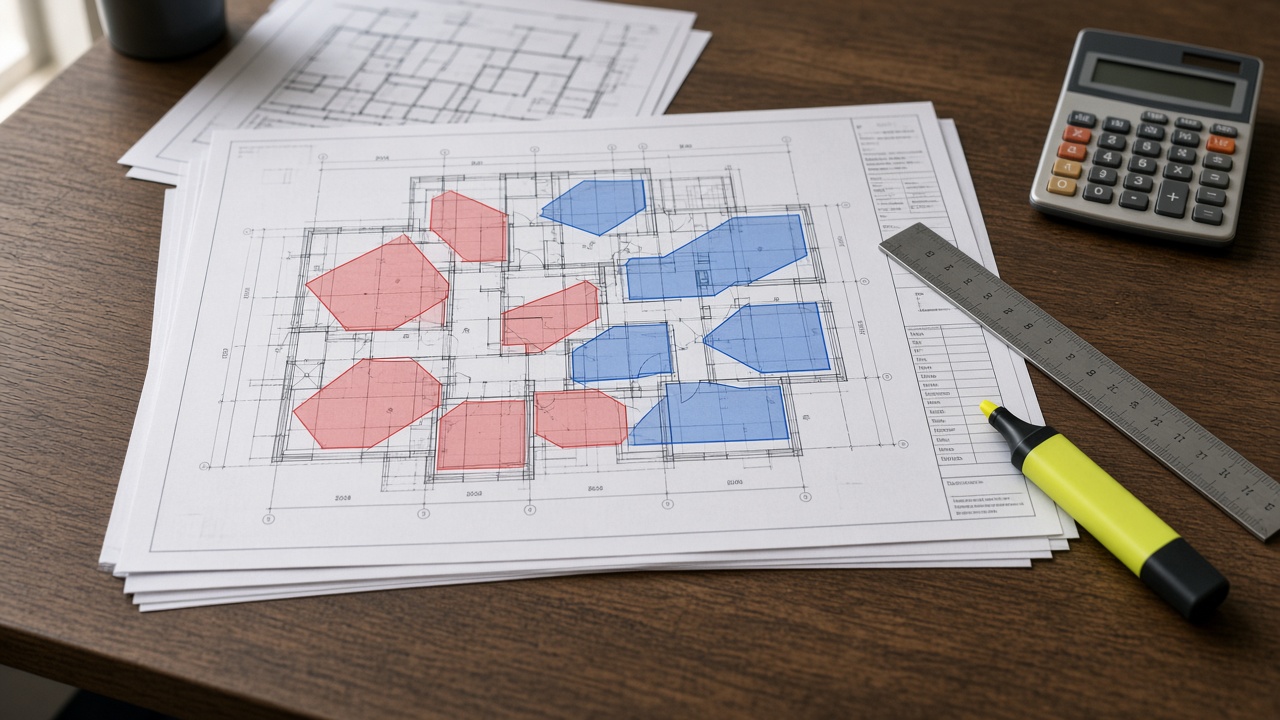
Request quantity takeoff services for your Austin, TX project. A quantity takeoff measures and counts what is on the drawings, without pricing, so you can apply your own costs, supplier quotes or crew rates.
This page covers project inputs for Austin, TX. Review our quantity takeoff services for the complete service scope, deliverables and quote requirements across the US.
Typical fees $150–$1,000 typical. Most single-trade estimates are delivered in 24–48 hours; larger packages take longer and the written quote confirms the date. Send your Austin project documents to confirm the exact fee and delivery date in writing.
Request a Austin project quote
Include the address, drawing issue, required deliverables and bid deadline. Confirm the project jurisdiction within Texas.
Prefer to discuss the scope first, or having trouble with the form? Email your project details or discuss your project on WhatsApp. Include your project location, trade scope and bid deadline.
Quantity Takeoff approach for Austin, Texas
Reconcile building and site approvals before pricing an expansion or use change. Grease-interceptor modifications, exterior paving and altered utility connections should be visible scope items rather than assumed parts of an interior allowance.
Send the applicable Site Plan/Exemption information, commercial drawing issue and utility or interceptor changes included in your requested estimate.
F&K Estimatings works remotely from the drawings you send. We do not have an office or staff in Austin; local requirements are handled through your documents, the jurisdiction's adopted codes, and the assumptions we write into the estimate.
Local document checks for Austin
Austin’s commercial application guide discusses Site Plan or Site Plan Exemption information when project changes affect use, area, impervious cover, height, footprint or grease-interceptor work. Austin commercial application guide.
Source checked . These are estimating recommendations; the authority and design team confirm project requirements.
Texas requirements that change the estimate
Energy code climate zones
Energy code climate zones in Texas run roughly 2–4 on the 2021 IECC map. The zone for the project county sets insulation, glazing and equipment efficiency requirements.
Texas note
Along the coast, the Texas Department of Insurance windstorm program applies in the designated catastrophe area, which affects roofing, openings and framing connections.
Code basis
Texas has no single statewide building code; state law applies the IRC to residential and the IBC to commercial construction inside cities, while unincorporated county areas have limited code authority.
Quantity Takeoff considerations for Austin
Humid Gulf Coast in the east, semi-arid and desert conditions in the west, hail and severe storms across the central plains, and widespread high-plasticity clay soils. Apply these notes only when the project documents support them.
Hot, dry climate: concrete
Hot-weather placement can require retarding admixtures, night or early-morning pours, and extra curing materials, which are priced as their own items.
Frost depth
Frost depth is shallow in most of the state, so minimum footing depth is usually driven by bearing soil and the structural design rather than frost. Footing depth, stem-wall height and the matching formwork and backfill are measured to the frost depth shown on the drawings; if the drawings are silent, we flag it rather than assume.
Expansive (shrink-swell) soils: concrete
Where the geotechnical report calls for it, we quantify drilled piers, grade beams, carton or void forms beneath beams and structural slabs, and any moisture-conditioned or select fill.
Hurricane and wind-borne debris exposure: lumber and framing
High-wind design adds a continuous load path of straps, hurricane ties and hold-downs, tighter sheathing nailing, and sometimes thicker sheathing, which can be a large share of framing cost.
Coastal and flood-zone construction: roofing
Near salt water, stainless or coated fasteners and corrosion-resistant metals are often specified.
Heat and humidity: roofing
Reflective roofing and underlayments that tolerate heat and moisture are typical in humid, hot regions.
When to choose quantity takeoff
Choose quantity-only support when your team already has rates or supplier relationships. Request pricing separately if you need an installed-cost estimate rather than a material quantity sheet.
1. Agree the measurement rules
Define units, opening deductions, assemblies and net-versus-ordering quantities.
2. Trace each quantity
Organize measured items by agreed trade, floor or phase and link them to drawing markups.
3. Prepare for pricing
Keep waste, unmeasured allowances and unresolved details visible so your rates apply to the intended scope.
Request these quantity takeoff deliverables
Choose the work your bid needs. We confirm the included items and requested breakdown in your written proposal.
- Quantities by trade or CSI division in Excel
- Color-coded PDF markups keyed to each quantity
- Waste factors shown separately from net quantities
- List of drawing conflicts or missing information
Checklist before requesting quantity takeoff in Austin
- Drawings for the trades you need measured
- Specifications or finish schedules
- Your preferred units and spreadsheet layout, if any
- Project address and jurisdiction in Texas
- Current addenda and the drawing issue being priced
- Required breakdown (CSI, bid form, or your cost codes)
- Applicable local review comments or permit checklist pages that change scope
See the quantity takeoff services guide for the full measurement scope and deliverables. Use sample deliverables to specify the breakdown you need.
Get a Austin quantity takeoff proposal
Send the Austin drawings, specifications, addenda, address and bid deadline. Identify whether you need quantities only or a priced estimate. We reply with a written quote confirming the scope, fee and delivery date after document review.
Send Austin Plans for a QuoteEstimating fee and delivery scope
Your team supplies the rates
Choose quantity takeoff services for measured counts, lengths, areas and volumes. Identify the units, drawing references and waste allowances your pricing team needs.
You need an estimate with costs
Choose construction estimating services when the agreed output also includes material, labor or equipment pricing. Confirm the cost sources, project location and exclusions before work starts.
Send the drawings for a written proposal confirming the fee, deliverables and delivery date. Review service pricing and our estimating methodology.
Questions about quantity takeoff in Austin
What should I send for a quantity takeoff estimate on a Austin project?
Send drawings for the trades you need measured; specifications or finish schedules; your preferred units and spreadsheet layout, if any, plus the project address and bid date. We reply with a written quote confirming the scope, fee and delivery date after document review.
What does quantity takeoff cost and how long does it take?
Typical ranges are single-trade material takeoff: $150–$1,000 typical, Typically 24–48 hours after approval; residential construction estimate: $400–$1,000 typical, Typically 2–4 business days after approval; commercial preconstruction package: $150–$1,000 typical, Typically 3–5 business days after approval. Standard turnaround is most single-trade estimates are delivered in 24–48 hours after approval; multi-trade packages take longer, and the exact delivery date is confirmed in writing after document review. The fee and delivery date are confirmed in writing after we review the drawings.
How are expansive clay soils handled in a quantity takeoff estimate in Texas?
Where the geotechnical report calls for it, we quantify drilled piers, grade beams, carton or void forms beneath beams and structural slabs, and any moisture-conditioned or select fill. We price what the drawings, specifications and geotechnical report call for, and list anything we had to assume; requirements should be confirmed with the local building department.
Do quantity takeoff estimates for coastal Texas include wind-rated items?
Uplift and lateral loads can increase footing sizes, anchor bolt and strap embedment, and tie-down hardware cast into concrete. We price what the drawings, specifications and geotechnical report call for, and list anything we had to assume; requirements should be confirmed with the local building department.
Which building code does a Austin quantity takeoff estimate assume?
Texas has no single statewide building code; state law applies the IRC to residential and the IBC to commercial construction inside cities, while unincorporated county areas have limited code authority. A takeoff measures what is drawn, but local conditions decide which items should be on the drawings. When something expected for the site is missing, we flag it instead of guessing. Tell us the adopted edition if it is on the code sheet; otherwise we note the assumption.
Which Austin jurisdiction documents should accompany the drawings?
Send the applicable Site Plan/Exemption information, commercial drawing issue and utility or interceptor changes included in your requested estimate.
References for applicable project inputs
- FEMA Flood Map Service Center: An address-based reference when flood-related site information is relevant; the design team supplies the project criteria.
Discuss your Austin quantity takeoff scope
Send the current plans and identify the decision your estimate needs to support. We will review the documents before confirming the work, fee and delivery schedule.
Request Your Project QuoteRemote document-based estimating support. This service-area page does not represent a local office, a site inspection or engineering design.